

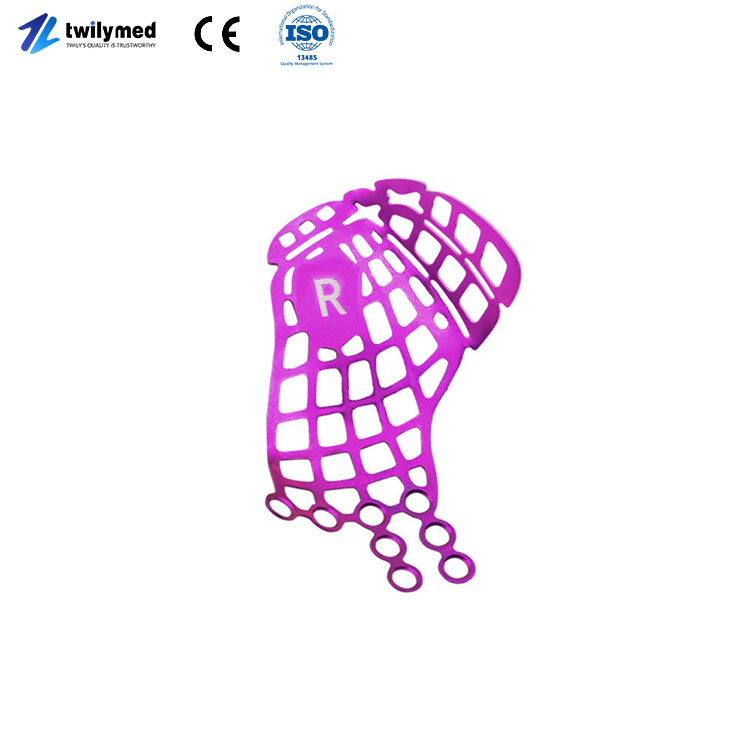
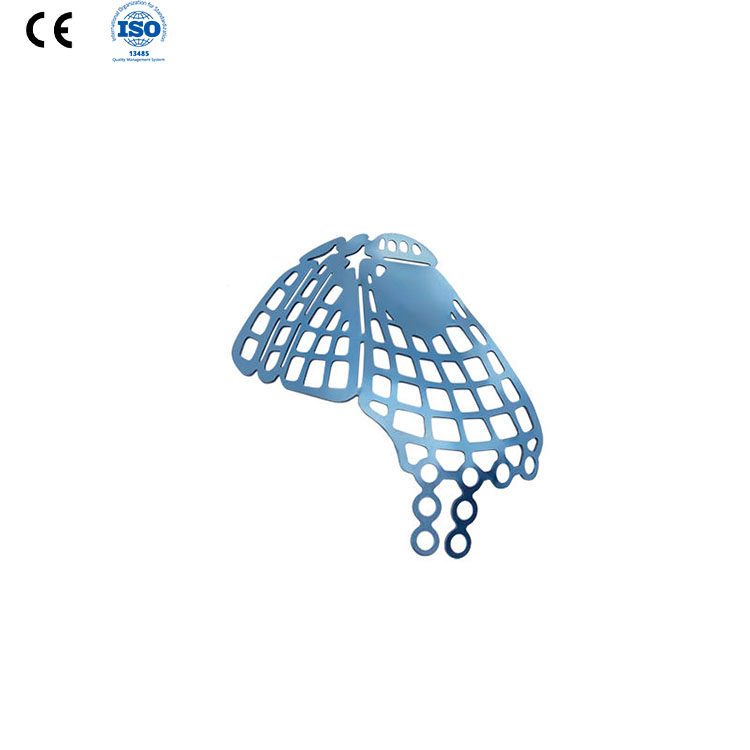
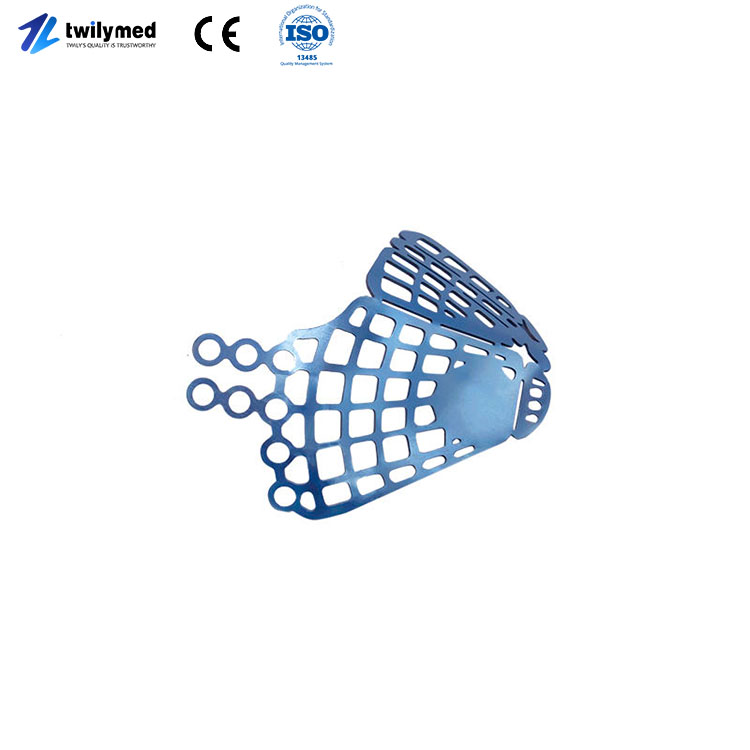
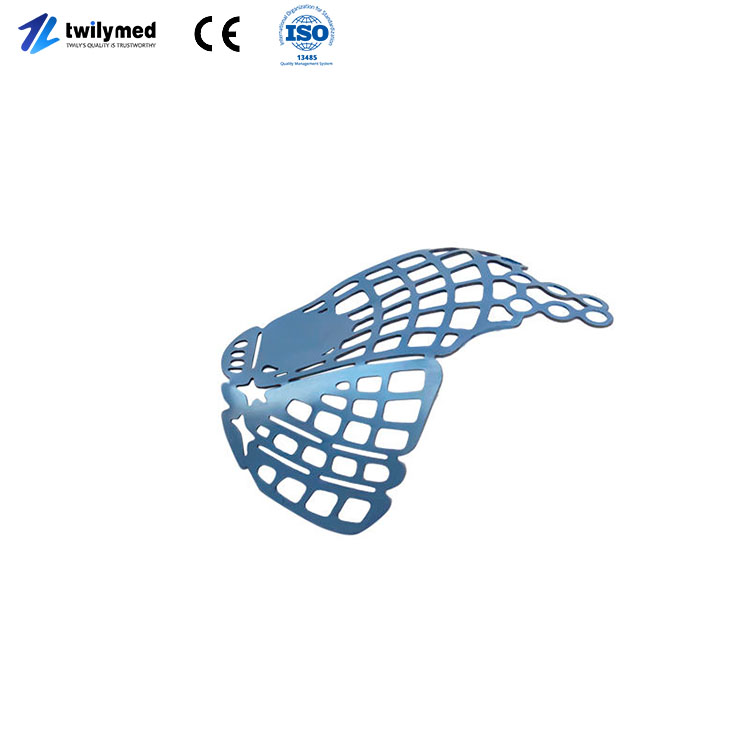
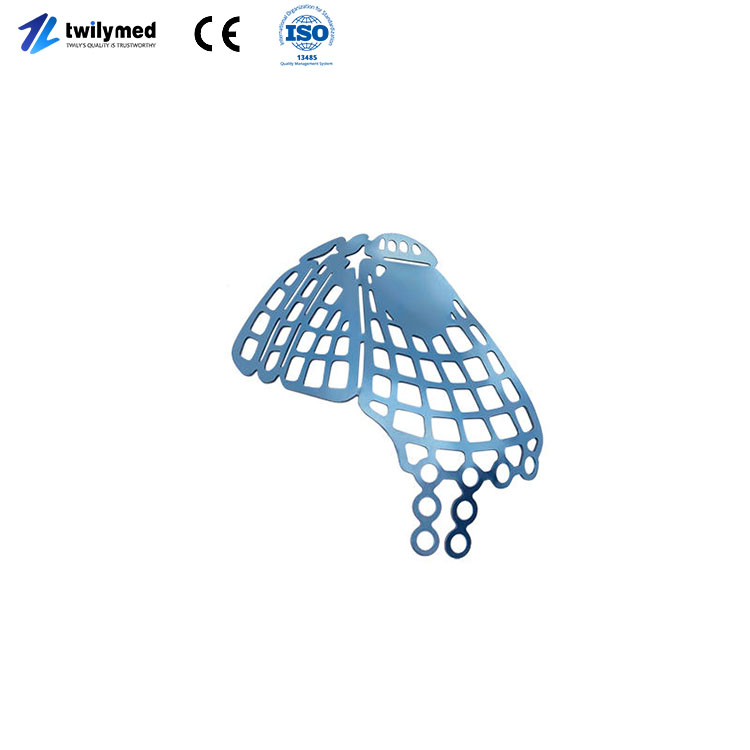
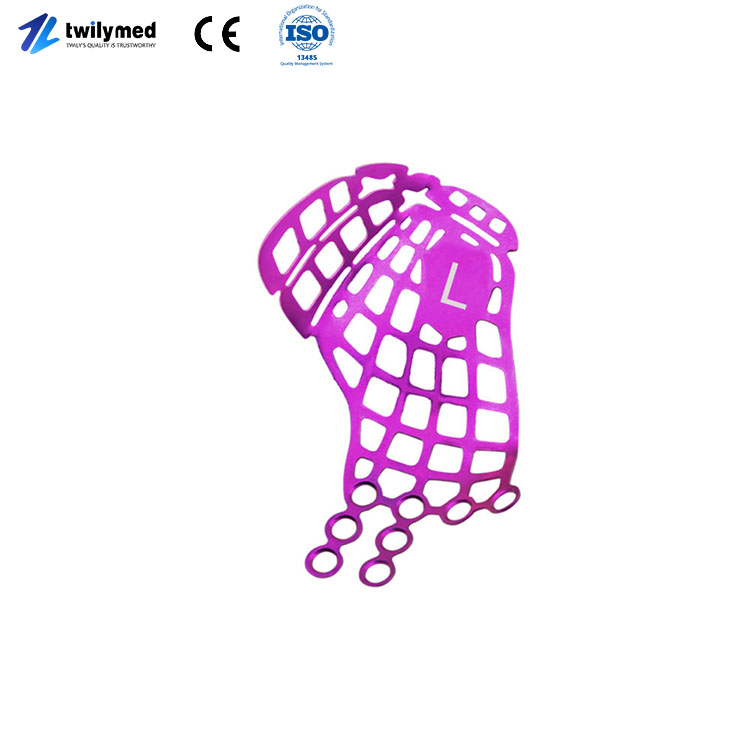
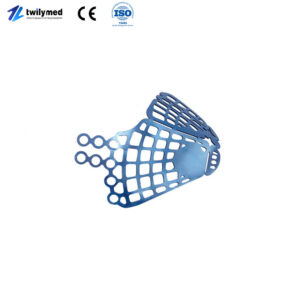
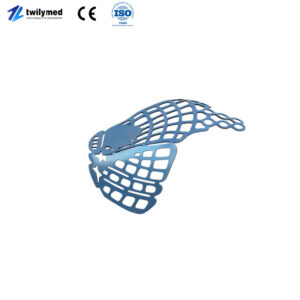
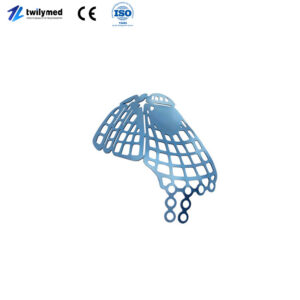
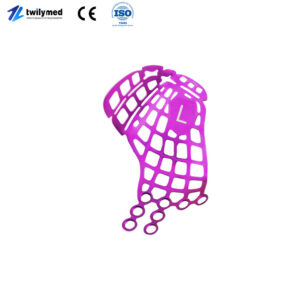
| Name | Picture | Item No. | Specification |
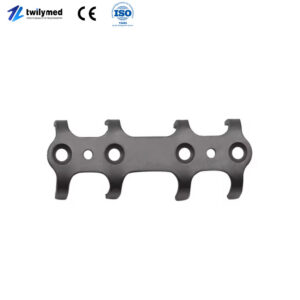
| 1.5mm Anatomical orbital floor plate |
  |
TWIM01011 | 0.4mm, 30*30mm, Left |
| TWIM01012 | 0.4mm, 30*30mm, Right | ||
| TWIM01013 | 0.5mm, 30*30mm, Left | ||
| TWIM01014 | 0.5mm, 30*30mm, Right | ||
 |
TWIM01015 | 0.4mm, 34*36mm, Left | |
| TWIM01016 | 0.4mm, 34*36mm, Right | ||
| TWIM01017 | 0.5mm, 34*36mm, Left | ||
| TWIM01018 | 0.5mm, 34*36mm, Right |
1.5mm Anatomical Orbital Floor Plate: A Comprehensive Guide
The 1.5mm Anatomical Orbital Floor Plate is a highly specialized orthopedic implant designed to provide optimal support and stability in the repair of orbital fractures. As a critical component in orbital surgery, it plays a key role in restoring the anatomical integrity of the eye socket, improving both functional and aesthetic outcomes for patients. This comprehensive guide explores the features, advantages, treatment applications, risks, and market outlook of the 1.5mm Anatomical Orbital Floor Plate, providing valuable insights for medical professionals, students, and researchers in the field of orthopedic surgery.
What is 1.5mm Anatomical Orbital Floor Plate?
The 1.5mm Anatomical Orbital Floor Plate is a small, highly specialized implant made of medical-grade titanium, specifically designed to treat fractures of the orbital floor. The orbital floor is a crucial anatomical region that supports the eye and its surrounding structures. Fractures in this area often result from trauma, such as motor vehicle accidents or sports injuries, and can lead to functional impairments, including visual disturbances, facial deformities, or restricted eye movement.
The 1.5mm anatomical design of the plate ensures that it perfectly conforms to the natural curvature and anatomy of the orbital floor, providing precise support and stabilization. The thin, lightweight structure allows for effective use in minimally invasive surgeries, facilitating easier insertion while maintaining sufficient mechanical strength. The titanium material used in the plate is biocompatible and corrosion-resistant, ensuring both longevity and minimal risk of adverse reactions.
1.5mm Anatomical Orbital Floor Plate Features
Anatomical Contouring
The plate is specifically shaped to match the curvature of the orbital floor, ensuring a precise fit that provides optimal support and helps restore the natural anatomy of the orbital cavity.
Medical-Grade Titanium
Made from high-quality titanium, the plate is lightweight, strong, and highly resistant to corrosion, making it ideal for long-term use within the body.
Thin Profile
At just 1.5mm in thickness, the plate is minimally invasive and can be inserted using small incisions, leading to reduced tissue trauma and faster recovery times.
Radiolucency
Titanium’s radiolucent properties ensure that the plate does not interfere with diagnostic imaging such as X-rays, CT scans, or MRIs. This allows for clear imaging of the healing process.
Pre-formed Shape
The plate is pre-shaped to fit the orbital floor, reducing the need for extensive intraoperative bending and allowing for quicker, more accurate implantation.
Multiple Fixation Points
The plate typically includes multiple screw holes that enable secure fixation to the surrounding bone, promoting stability and effective fracture healing.
1.5mm Anatomical Orbital Floor Plate Advantages
Enhanced Anatomical Fit
The plate’s anatomical design ensures that it perfectly aligns with the natural curvature of the orbital floor, providing more effective support and improving the chances of a successful outcome.
Minimally Invasive Procedure
With its thin profile and pre-formed shape, the plate allows for minimally invasive surgical approaches, reducing the size of incisions and minimizing damage to surrounding tissues.
Reduced Surgical Time
The plate’s pre-shaped design and easy handling help reduce the complexity of the surgery, allowing surgeons to work more efficiently and reduce operating room time.
Improved Patient Outcomes
The precision and secure fit provided by the plate contribute to better functional and aesthetic results, including faster recovery, less post-surgical scarring, and a lower risk of complications.
Durability and Longevity
Titanium’s resistance to corrosion and its mechanical properties ensure that the plate will maintain its integrity over time, reducing the need for reoperation or implant failure.
Flexibility in Surgery
The thin, flexible nature of the plate allows it to be shaped slightly if necessary, enabling surgeons to accommodate different types of fractures or anatomical variations.
1.5mm Anatomical Orbital Floor Plate Treatment of Fracture Types
Blowout Fractures
Blowout fractures involve a break in the orbital floor, often due to direct impact. These fractures may also involve the trapping of orbital contents such as fat or muscle, leading to complications like double vision (diplopia) or restricted eye movement.The 1.5mm anatomical plate provides crucial stabilization and can help relieve pressure on trapped tissues.
Orbital Rim Fractures
Fractures that affect the bony rim surrounding the orbital cavity can also require stabilization. The anatomical plate can be used to reinforce the floor and provide structural support for the overall orbital architecture.
Complex Orbital Fractures
In cases where multiple fractures involve both the orbital floor and surrounding structures, the 1.5mm anatomical plate can be combined with other implants to achieve a comprehensive and stable repair.
Comminuted Fractures
When the orbital floor is fractured into multiple pieces, the anatomical plate can help provide fixation and prevent displacement, ensuring proper alignment and reducing the risk of complications.
Risks of 1.5mm Anatomical Orbital Floor Plate Surgery
Infection
As with any surgical procedure involving implants, there is a risk of infection at the surgical site. This risk can be minimized with proper sterilization techniques and post-operative care.
Plate Malposition
If the plate is not properly positioned or if it shifts during the healing process, it may lead to improper bone healing, malalignment, or ongoing symptoms such as diplopia.
Screw Migration
In rare cases, the screws used to fix the plate to the orbital bone may migrate or loosen over time, requiring revision surgery.
Tissue Injury
The placement of the plate may cause damage to surrounding tissues, nerves, or blood vessels, particularly in the delicate regions around the eye socket.
Chronic Pain
Some patients may experience discomfort or pain, especially if the implant is in close proximity to sensitive areas, such as the infraorbital nerve.
Scarring
Although minimally invasive techniques can reduce scarring, there is still a possibility of visible scarring depending on the surgical approach and healing process.
1.5mm Anatomical Orbital Floor Plate Future Marke
Increasing Incidence of Facial Trauma
As the global population grows and as more people participate in high-risk activities, the incidence of facial trauma and orbital fractures is expected to rise. This will drive demand for advanced solutions like the 1.5mm anatomical plate.
Advancements in Surgical Techniques
The ongoing trend towards minimally invasive surgeries is likely to increase the adoption of thin, flexible implants such as the 1.5mm anatomical orbital floor plate.
Surgeons will continue to seek devices that allow for faster recovery times and better patient outcomes.
Technological Innovations
Advances in materials science and implant design may lead to even more effective and customizable orbital floor plates, which could further enhance their popularity in surgical practices.
Growth in Cosmetic and Reconstructive Surgeries
As more people seek facial reconstructive surgeries for both medical and aesthetic reasons, the demand for high-quality orbital floor plates will continue to rise.
Expanding Healthcare Access
The increasing availability of advanced healthcare in emerging markets will likely increase the use of such specialized implants, further expanding the global market.
Summary
The 1.5mm Anatomical Orbital Floor Plate is a key implant in the field of orbital surgery, offering excellent support and stability for the repair of orbital floor fractures. With its anatomically contoured design, made from biocompatible titanium, it ensures a precise fit and enhances patient outcomes. The plate’s advantages include reduced surgical time, minimal invasiveness, and improved recovery. However, risks such as infection, screw migration, and tissue injury must be carefully managed.
As the demand for facial trauma surgery grows, driven by increasing incidents of trauma and advancements in surgical techniques, the market for the 1.5mm Anatomical Orbital Floor Plate is poised for continued expansion. Its ability to provide both functional and aesthetic benefits makes it a valuable tool for orthopedic surgeons, helping patients regain both physical health and confidence.
Warm reminder: This article is for reference only and cannot replace the doctor’s professional advice. If you have any questions, please consult your attending physician.
Reviews
There are no reviews yet.