

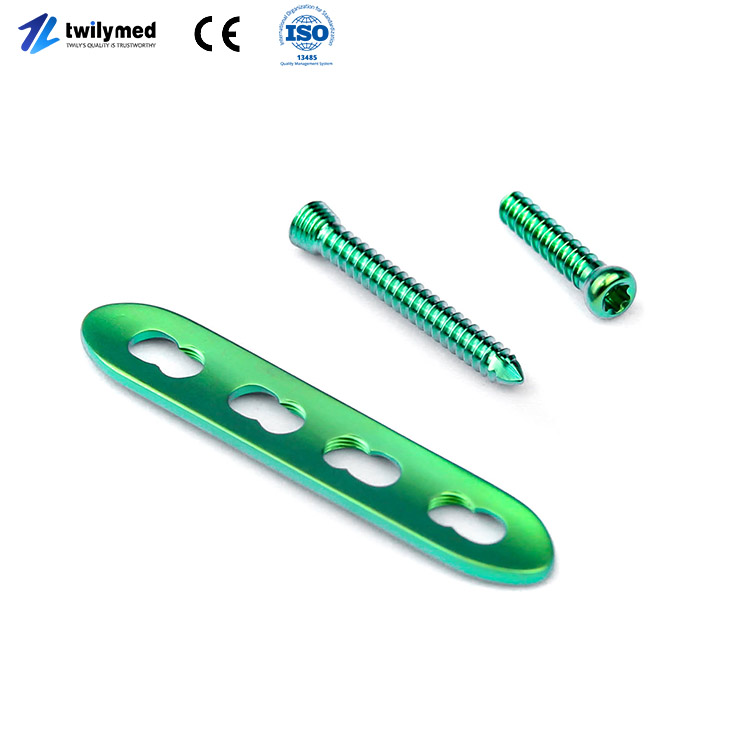
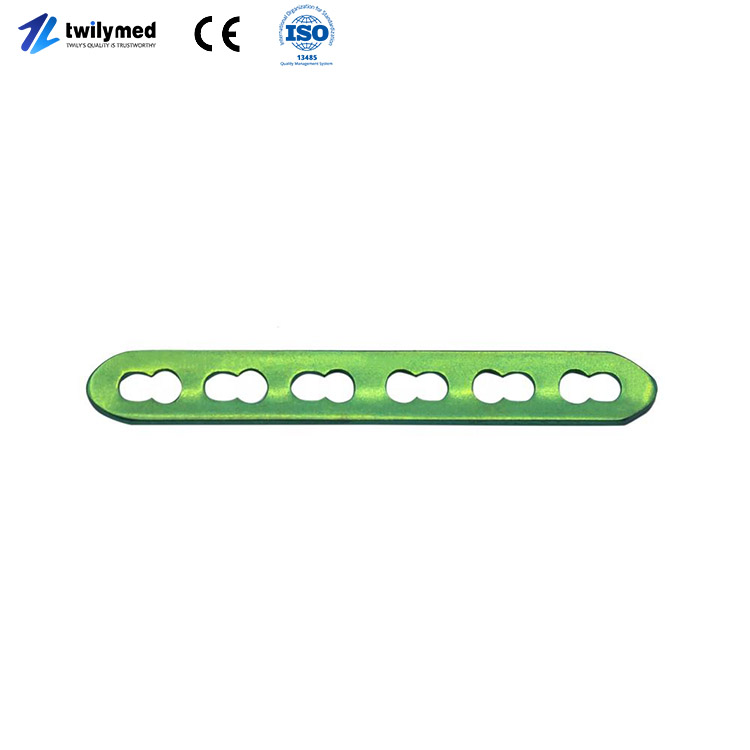
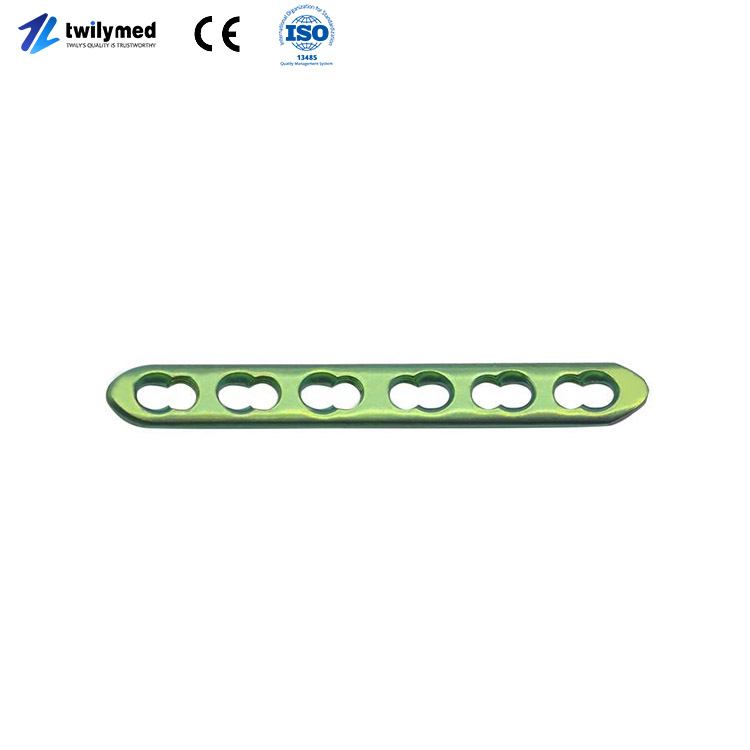
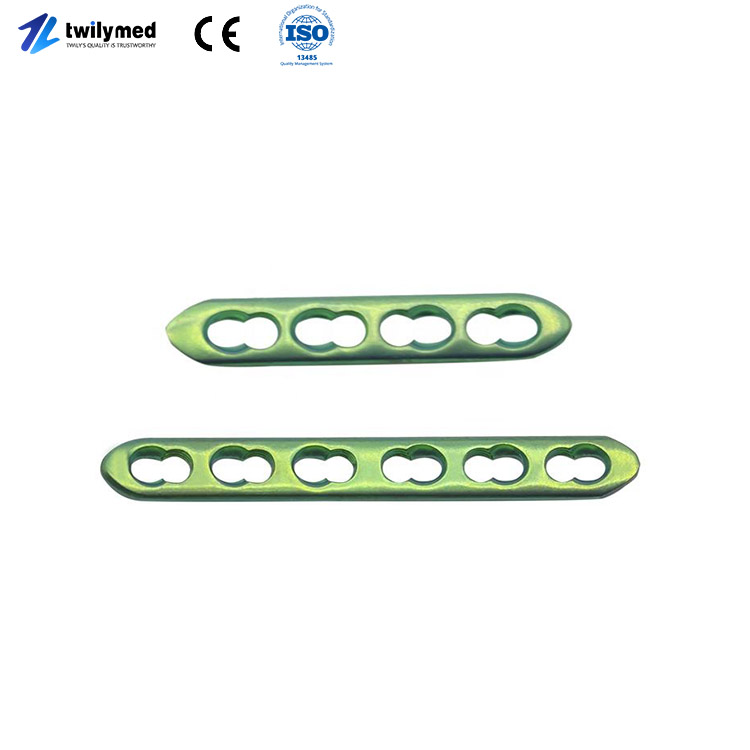
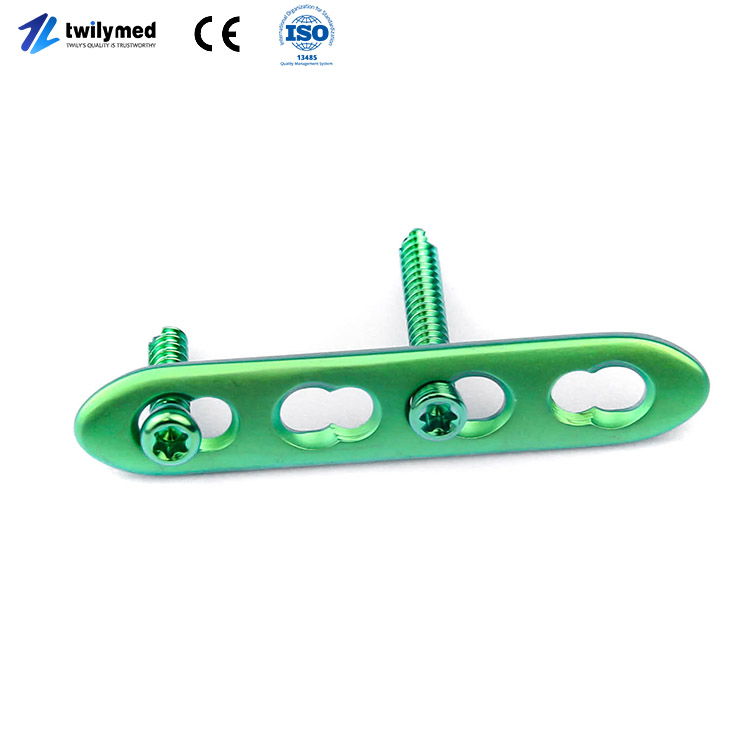
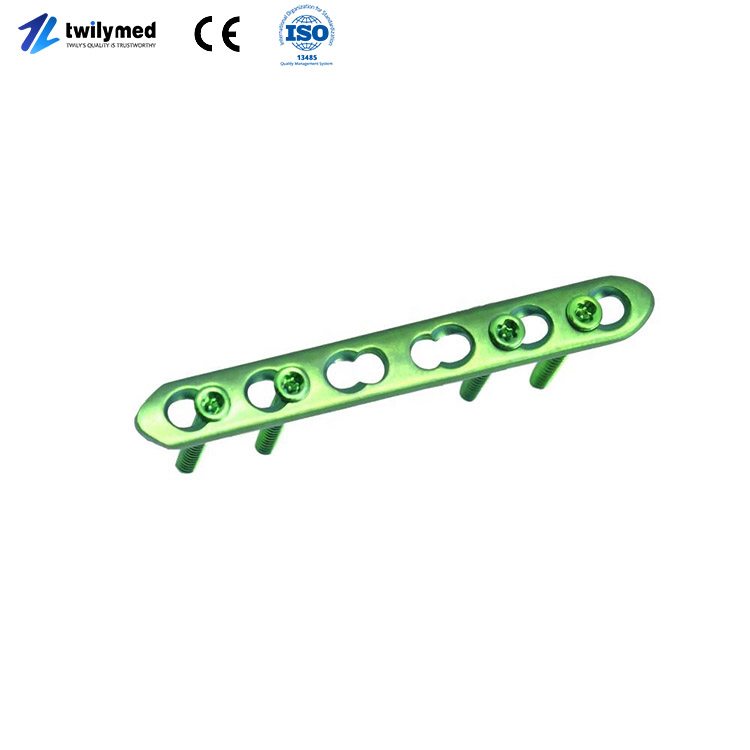
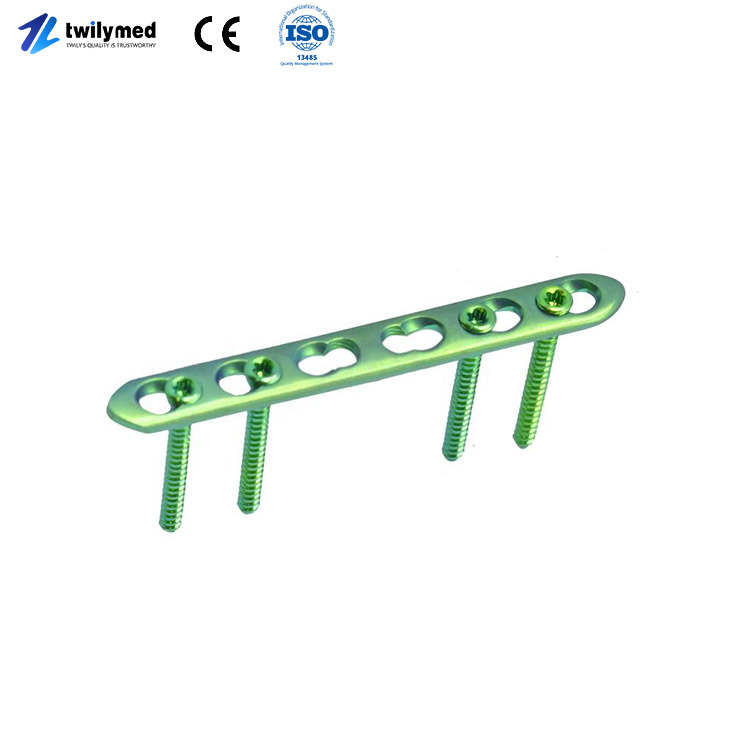
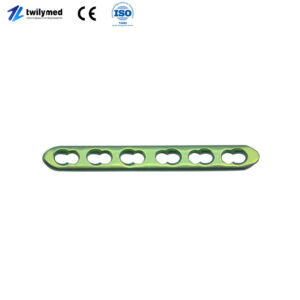
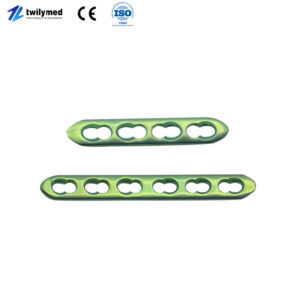
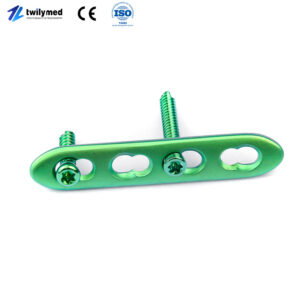
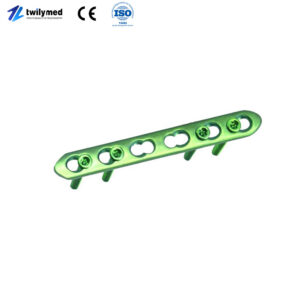
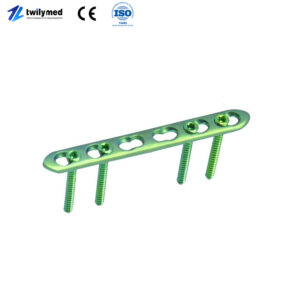
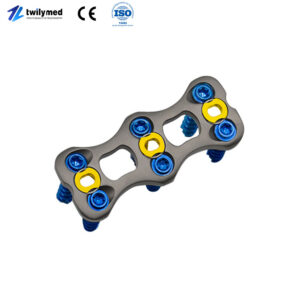
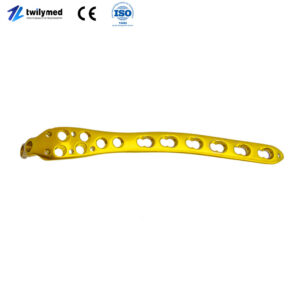
1.5 Micro Straight Locking Plate Specification
| Product | Picture | REF | Specification | Screw |
| 1.5 Micro Straight Locking Plate | 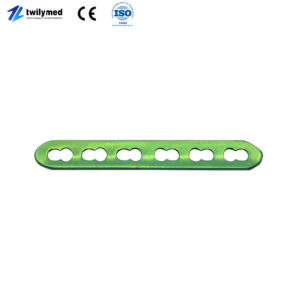 |
TWIM151 | 4 H | HA1.5 HC1.5 |
| TWIM152 | 6 H | HA1.5 HC1.5 | ||
| TWIM153 | 8 H | HA1.5 HC1.5 |
3. Types of fractures that can be treated with 1.5mm mini locking plates
The 1.5mm mini locking plate is particularly beneficial in treating fractures of the hand and foot. It is commonly used in surgeries to treat:
- Distal radius fractures
- Scaphoid fractures
- Metacarpal fractures
- Metatarsal fractures
2. Advantages of 1.5mm mini locking plates
There are several advantages of using 1.5mm mini locking plates over other types of plates in orthopedic surgeries:
- Low-profile design: The low-profile design of the plate reduces the risk of soft tissue irritation, which can lead to complications during surgery.
- Locking screw technology: The locking screw technology provides added stability, which is particularly beneficial in cases of osteoporotic bone.
- Biocompatible and non-corrosive: The plate is made of titanium, which is biocompatible and non-corrosive, reducing the risk of complications and ensuring long-term stability.
- Minimally invasive surgery: The small size of the plate means that surgery can be performed using a minimally invasive approach, reducing the risk of complications and promoting faster recovery.
3.Disadvantages of 1.5mm mini locking plates
Despite the advantages, there are also some disadvantages of using 1.5mm mini locking plates:
- Limited application: The 1.5mm mini locking plate is only suitable for treating certain types of fractures in the hand and foot.
- Higher cost: The use of locking screws and titanium material increases the cost of the implant, making it more expensive than other types of plates.
4. How is the surgery performed using 1.5mm mini locking plates?
The surgery using a 1.5mm mini locking plate is performed under general anesthesia or regional anesthesia, depending on the patient’s preference and the type of fracture being treated. The surgeon makes a small incision near the fracture site and carefully aligns the bone fragments. The 1.5mm mini locking plate is then placed over the fracture site and secured in place using locking screws. The locking screws compress the plate against the bone surface, providing added stability.
After the plate is secured in place, the incision is closed using sutures or surgical staples. The patient is then monitored closely for any signs of complications and given pain medication to manage discomfort.
Reviews
There are no reviews yet.