

Nail diameters
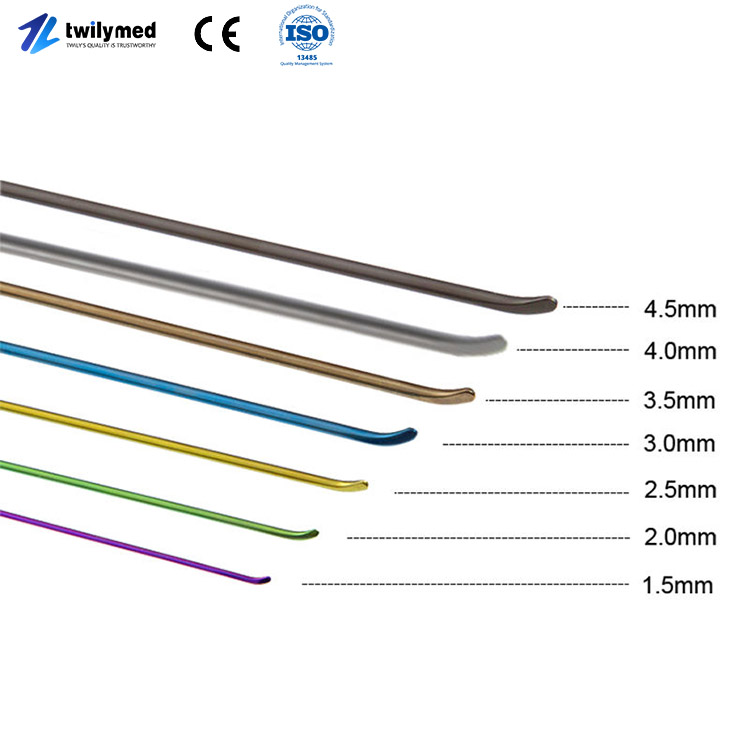
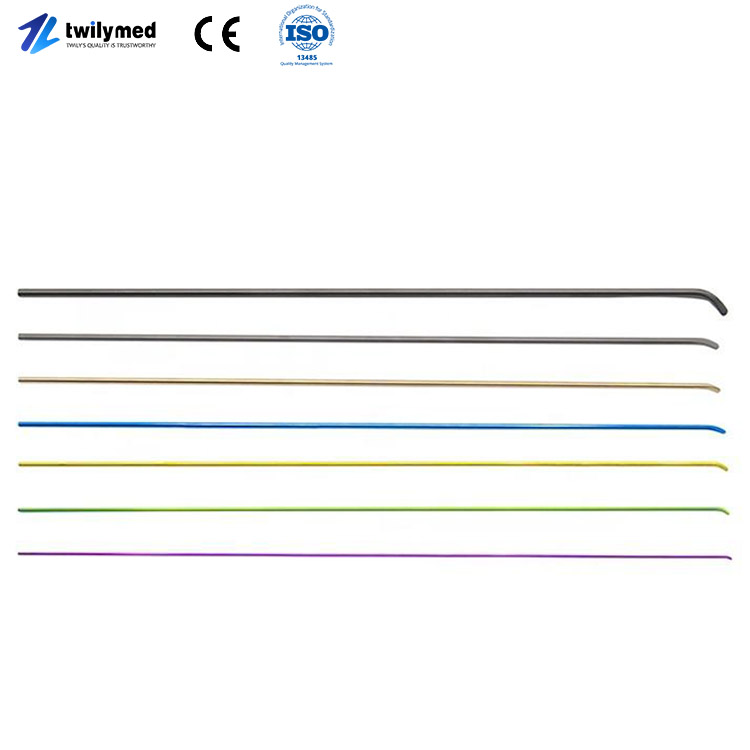
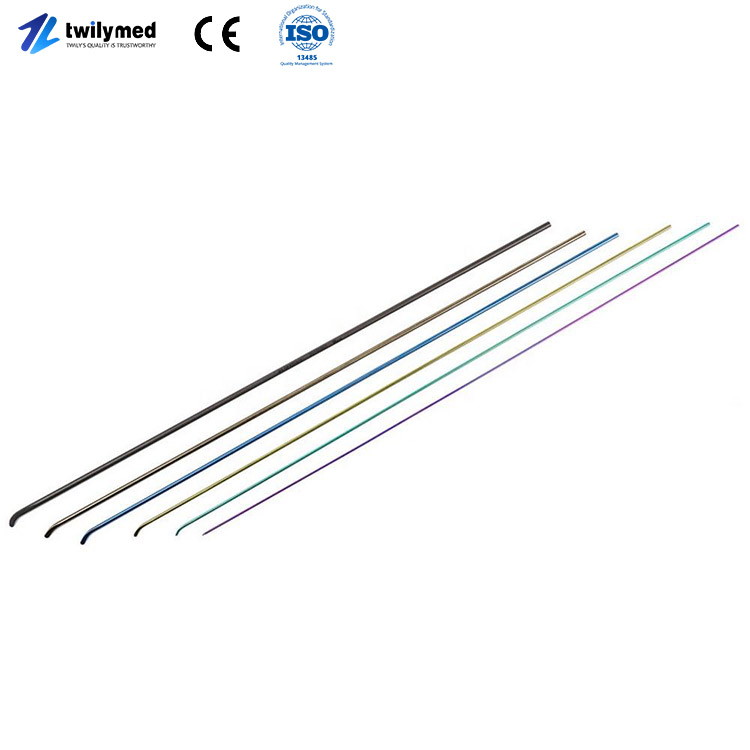
Seven nail diameters for all indications for optimal patient treatmentAvailable in titanium alloy (Ti-6Al-7Nb)
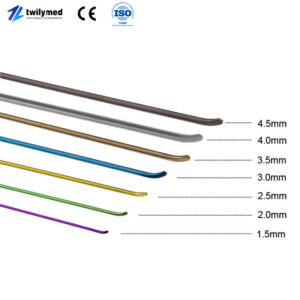

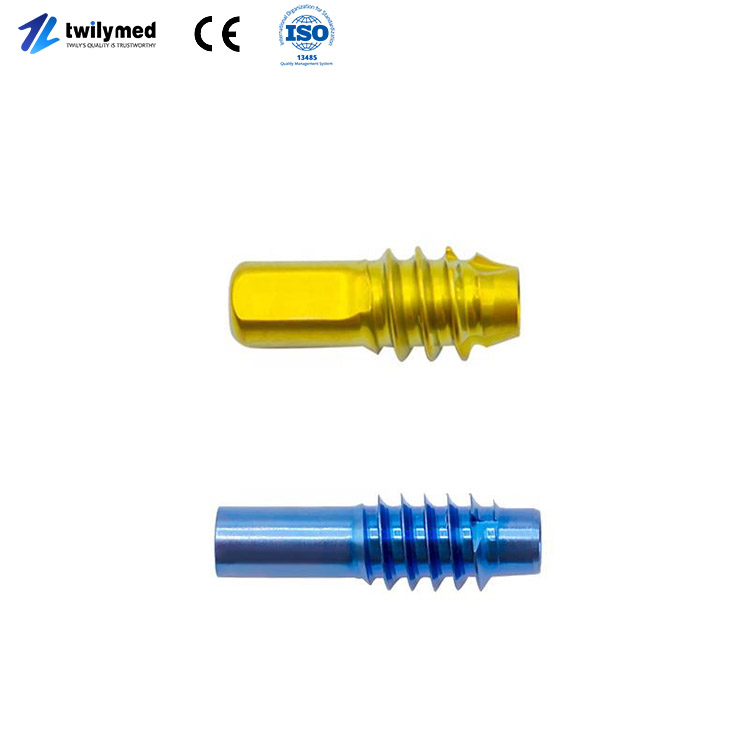
·For nail diameters:1.5/2.0/2.5/3.0 mm(Yellow)
·For nail diameters:3.5/4.0 mm (Blue)
Titanium Elastic Nail: A Revolutionary Orthopedic Implant
Orthopedic surgeries have evolved significantly over the past few decades. With the advancement in medical technology and engineering, orthopedic implants have become an integral part of modern-day orthopedics. One such implant that has gained popularity over the years is the Titanium Elastic Nail (TEN). In this article, we will delve deeper into the concept of the TEN, its design, benefits, and drawbacks, and its applications in orthopedic surgeries.

What is Titanium Elastic Nail (TEN)?
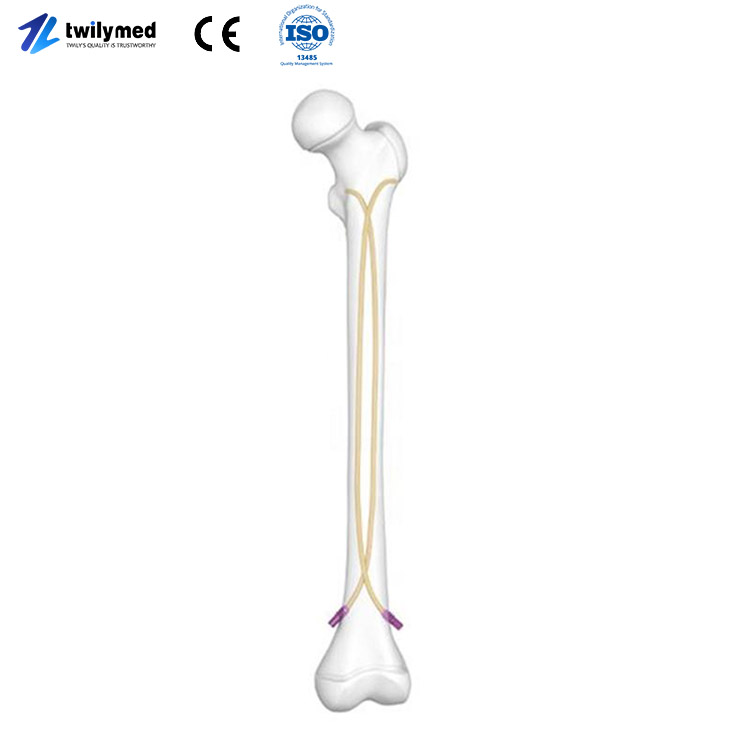
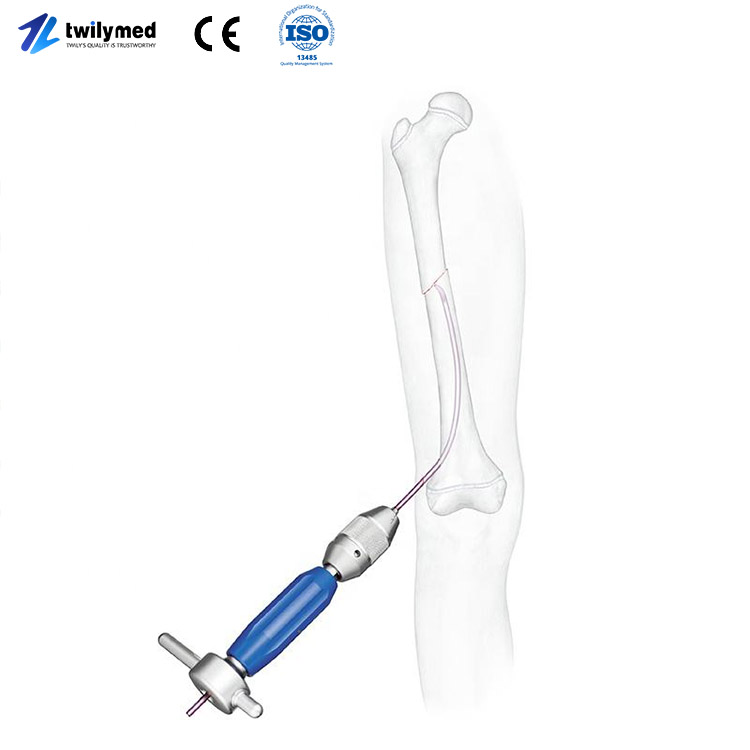
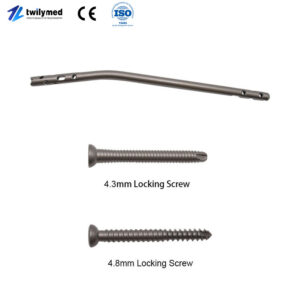
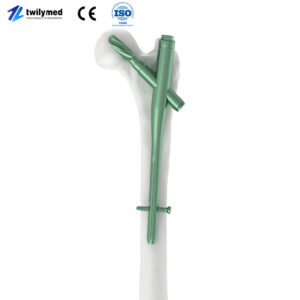
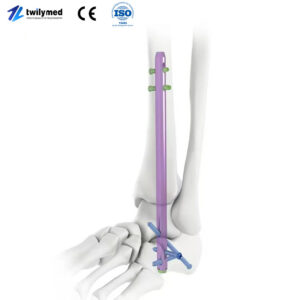
Titanium Elastic Nail, also known as Flexible Intramedullary Nailing, is a type of orthopedic implant that is used to stabilize and align fractures in long bones, mainly in the femur and tibia. The TEN is a long and slender rod, usually 2-3mm in diameter, made of titanium, which is inserted into the intramedullary canal of the fractured bone. The nail is flexible and elastic, which allows it to bend and deform without breaking, making it an ideal implant for children and young adults with growing bones.

Design of Titanium Elastic Nail (TEN)
The design of the Titanium Elastic Nail (TEN) is simple yet effective. It consists of two nails, a proximal nail, and a distal nail, connected by a flexible bridge. The nails are inserted into the intramedullary canal of the fractured bone through small incisions made in the skin. The flexible bridge allows the nails to move independently, adapting to the natural curvature of the bone during growth.
Benefits of Using Titanium Elastic Nail (TEN)
Titanium Elastic Nail (TEN) has several advantages over traditional orthopedic implants. Some of the benefits include:
1. Minimally Invasive
TEN is a minimally invasive surgery that involves small incisions in the skin. This reduces the risk of infection and accelerates the healing process.
2. Rapid Healing
TEN helps in rapid healing of the fractured bone. The flexible nature of the nail allows it to move with the bone, stimulating the growth of new bone tissue.
3. Reduced Pain
TEN is known to reduce pain and discomfort in patients. Since the nail is inserted into the intramedullary canal, it does not interfere with the surrounding muscles and tissues, reducing the chances of pain and inflammation.
4. Early Weight Bearing
TEN allows patients to bear weight on the fractured limb much earlier than traditional orthopedic implants. This helps in early mobilization and faster recovery.
5. Low Complication Rate
TEN has a lower complication rate compared to traditional orthopedic implants. The risk of infection, implant failure, and malalignment is significantly reduced with the use of TEN.
Drawbacks of Using Titanium Elastic Nail (TEN)
Like any other medical procedure, the use of Titanium Elastic Nail (TEN) also has some drawbacks. Some of the drawbacks include:
1. Limited Applications
TEN is primarily used for fractures in the femur and tibia bones. Its applications in other bones are limited.
2. Technical Difficulties
Inserting the nail into the intramedullary canal requires a high degree of technical skill and precision. Any deviation from the correct technique can lead to implant failure.
3. Implant Migration
There have been reported cases of implant migration in some patients. This can be due to several factors, such as incorrect nail size or inadequate fixation of the nail.
Applications of Titanium Elastic Nail (TEN)
Titanium Elastic Nail (TEN) has a wide range of applications in orthopedic surgeries. Some of the common applications include:
1. Pediatric Fractures
TEN is extensively used in children with long bone fractures. The flexible nature of the nail allows it to accommodate the growth of the bone, reducing the need for repeat surgeries.
2. Trauma Surgery
TEN is a useful implant in trauma surgery. It provides excellent stability and allows for early weight-bearing, facilitating faster recovery.
3. Correction of Bone Deformities
TEN can be used to correct bone deformities, such as bowing of the legs or curvature of the spine.
4. Bone Lengthening
TEN can be used to lengthen bones that are shorter than their normal length. The nail is attached to a device that gradually lengthens the bone over time.

Reviews
There are no reviews yet.