

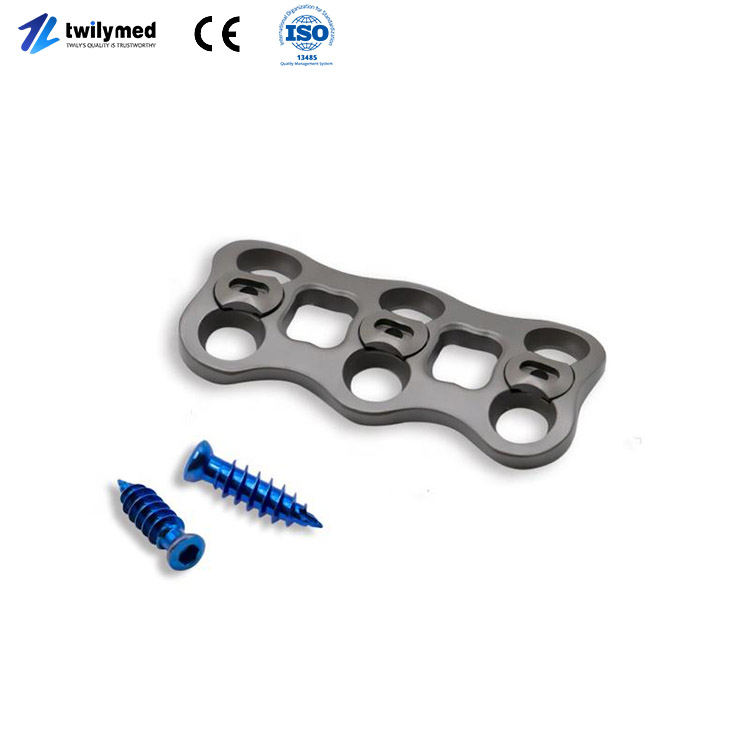
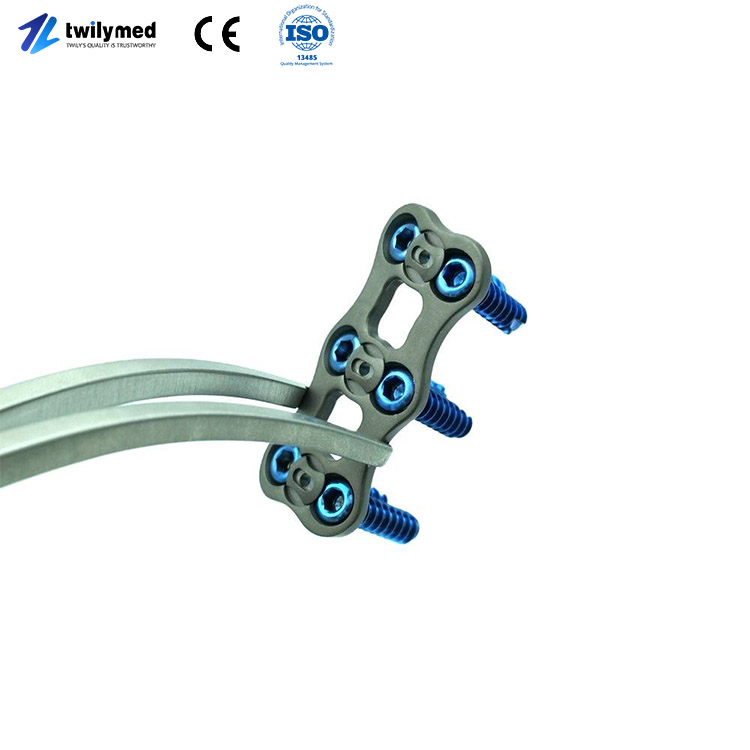
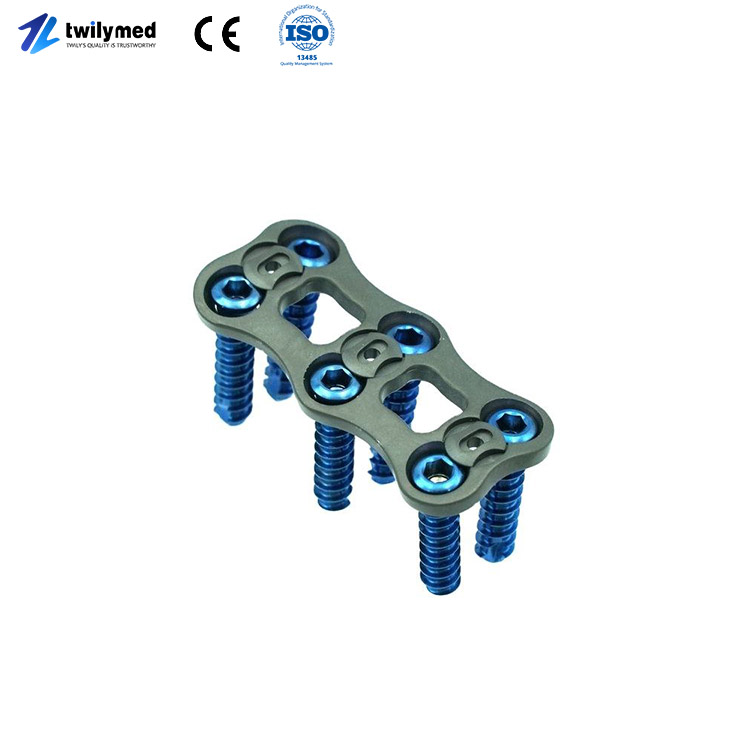
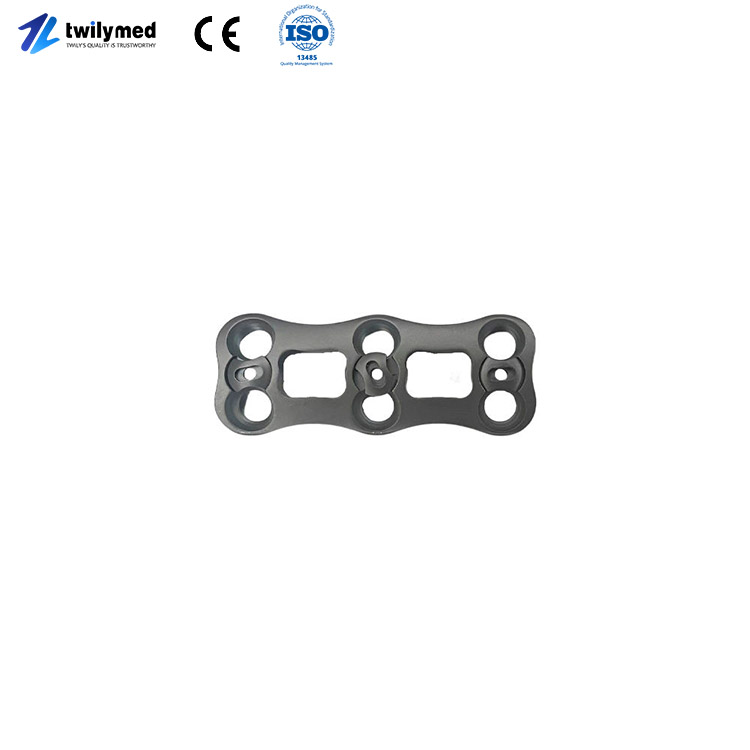
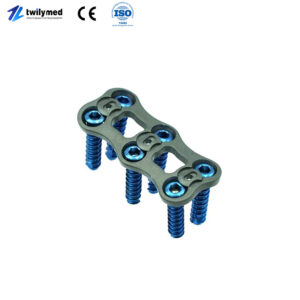
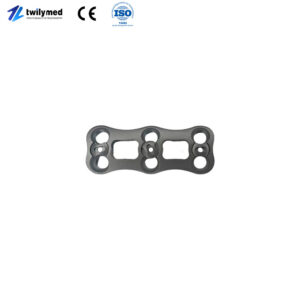
Anterior Cervical Plate System for Cervical Spine Stabilization
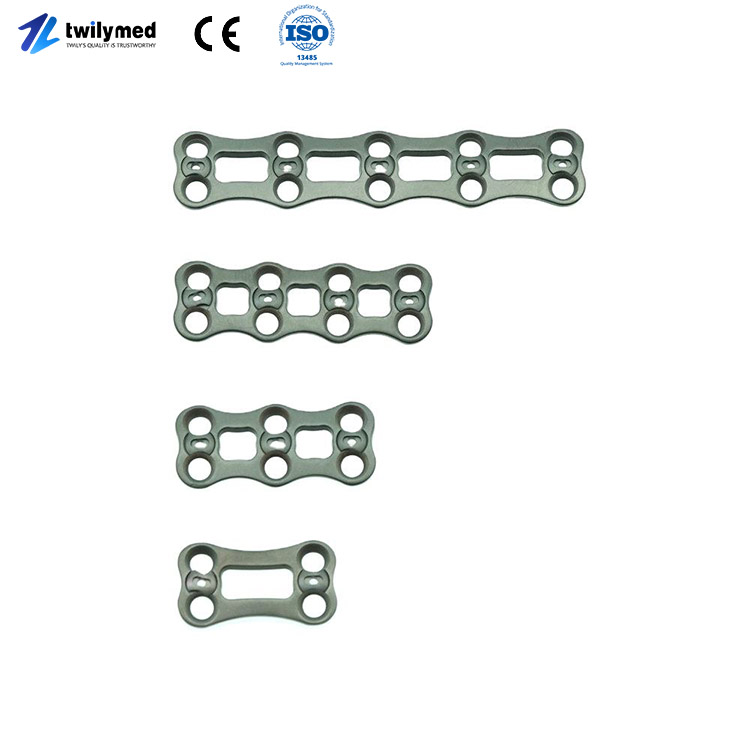
The Anterior Cervical Plate System is a spinal fixation implant designed to provide immediate anterior column stability following cervical spine procedures. It is commonly used in anterior cervical discectomy and fusion (ACDF) surgeries to enhance segmental fixation, maintain cervical alignment, and support successful bone fusion.
By combining anatomical plate contouring with a secure locking screw mechanism, this system addresses both biomechanical stability and surgical efficiency in cervical spine reconstruction.
Anterior Cervical Plate: A Comprehensive Guide
Anterior cervical plates (ACPs) are essential implants in spinal fusion surgeries, particularly for treating cervical spine instability, fractures, and degenerative disc disease. These plates provide immediate stabilization, promote fusion, and prevent motion at the surgical site. This guide explores the critical aspects of anterior cervical plates, including their features, benefits, applications, risks, and future market trends.
What is Anterior Cervical Plate?
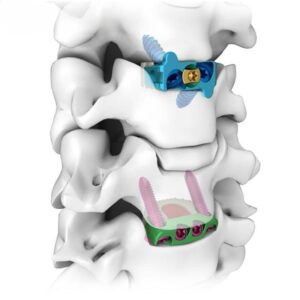
An anterior cervical plate is an orthopedic implant used in anterior cervical discectomy and fusion (ACDF) procedures. The plate is affixed to the anterior aspect of the cervical vertebrae with screws, maintaining stability and alignment while fusion occurs. These plates are commonly used to treat cervical spine disorders, traumatic injuries, and degenerative diseases.
Clinical Indications for Anterior Cervical Plate Fixation
Anterior cervical plate fixation is widely indicated for patients requiring anterior cervical stabilization due to degenerative, traumatic, or post-surgical conditions.
Degenerative Cervical Disc Disease and Instability
The system is indicated for cervical spondylosis, disc degeneration, and segmental instability where anterior stabilization is required to restore spinal alignment and prevent progressive deformity.
Cervical Trauma, Fracture, and Dislocation
In cases of cervical fractures or dislocations, anterior cervical plates provide rigid fixation to restore vertebral alignment and support early mobilization.
Post-Discectomy and Interbody Fusion Support
Following cervical discectomy and interbody fusion, the anterior cervical plate enhances construct stability and improves load sharing across the fusion segment.
Design Features of the Anterior Cervical Plate System
Low-Profile Anterior Cervical Plate Design
The low-profile plate minimizes anterior soft tissue irritation and reduces postoperative dysphagia risk, improving patient comfort and surgical outcomes.
Anatomical Contouring for Cervical Alignment
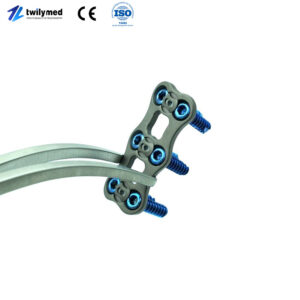
Each plate is anatomically contoured to match the natural curvature of the cervical spine, ensuring optimal plate-to-bone contact and maintaining physiological lordosis.
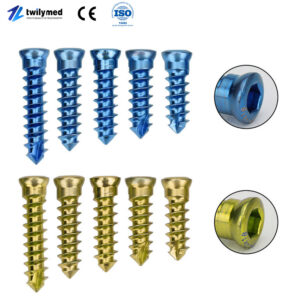
Locking Screw Mechanism for Secure Fixation
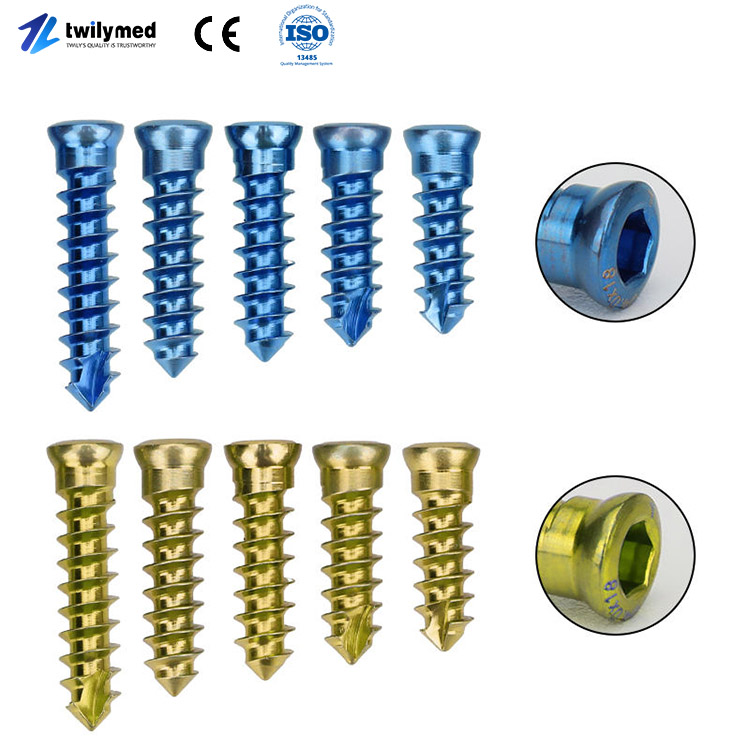
The integrated locking mechanism prevents screw back-out and enhances long-term fixation stability.
Prevention of Screw Back-Out and Plate Migration
The locking design ensures controlled screw engagement, reducing the risk of plate migration and maintaining construct integrity during the fusion process.
Material and Manufacturing Standards
Medical-Grade Titanium Alloy Construction
Manufactured from Ti-6Al-4V medical-grade titanium alloy, the anterior cervical plate offers excellent biocompatibility, corrosion resistance, and mechanical strength.
System Compatibility and Surgical Workflow
Compatibility with Cervical Interbody Cages
The system is compatible with commonly used PEEK and titanium cervical interbody cages, enabling seamless integration into standard ACDF procedures.
Instrument-Assisted Accurate Plate Placement
Dedicated instrumentation allows precise plate positioning and controlled screw insertion, supporting surgical accuracy and efficiency.
Clinical Advantages of Anterior Cervical Plate System
Immediate Anterior Column Stability
The system provides immediate stabilization of the anterior cervical column, reducing micromotion at the fusion site.
Promotion of Cervical Fusion and Load Sharing
By sharing axial loads and maintaining alignment, the anterior cervical plate supports biological fusion and long-term spinal stability.
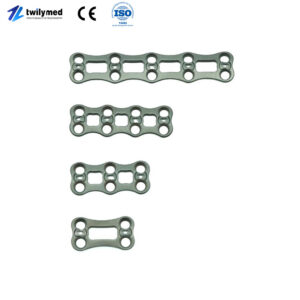
Reviews
There are no reviews yet.