

Titanium Mesh Cage: A Comprehensive Guide
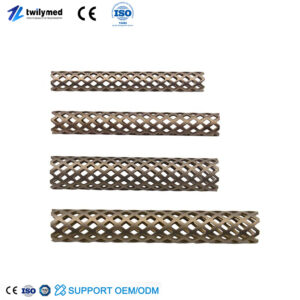
Titanium mesh cages are an essential component in spinal fusion and reconstructive surgeries, providing structural support, stability, and promoting bone growth. Their unique mesh design enhances osseointegration while maintaining mechanical strength. This guide explores the critical aspects of titanium mesh cages, including their features, advantages, clinical applications, risks, and future market trends.

What is Titanium Mesh Cage?
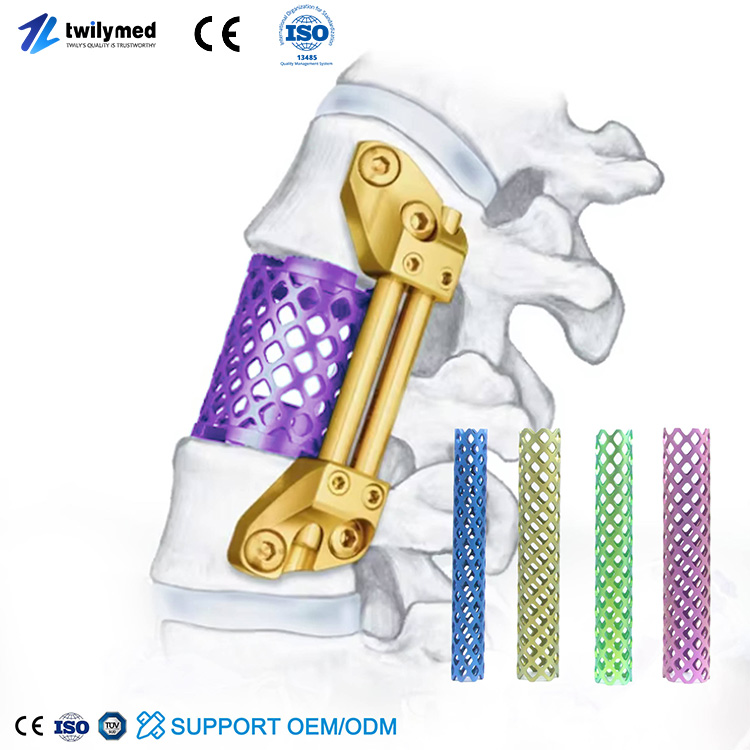
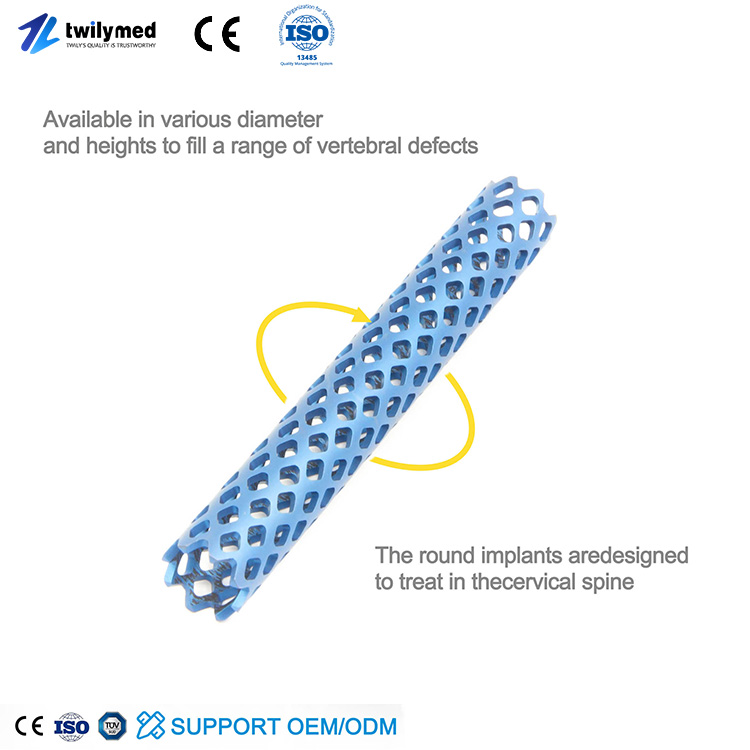
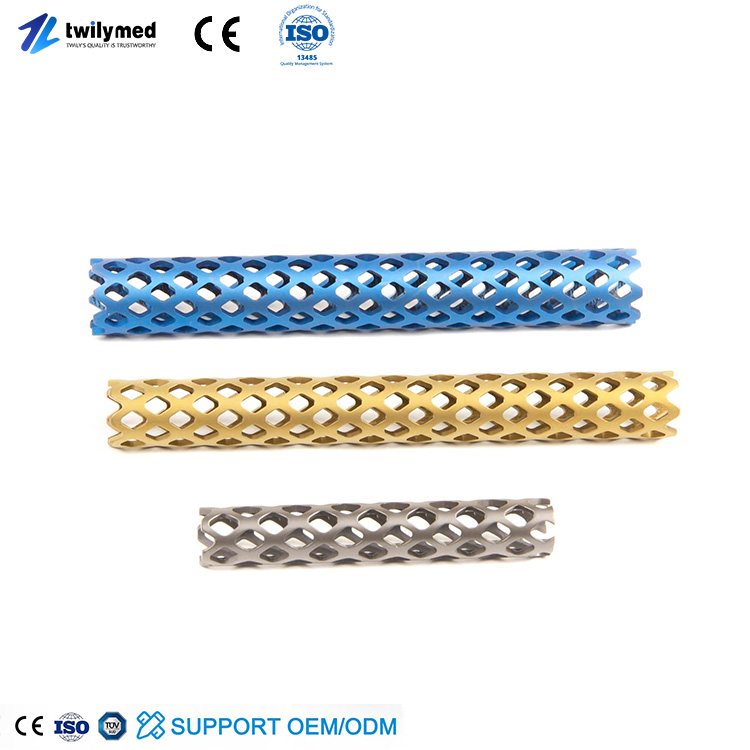
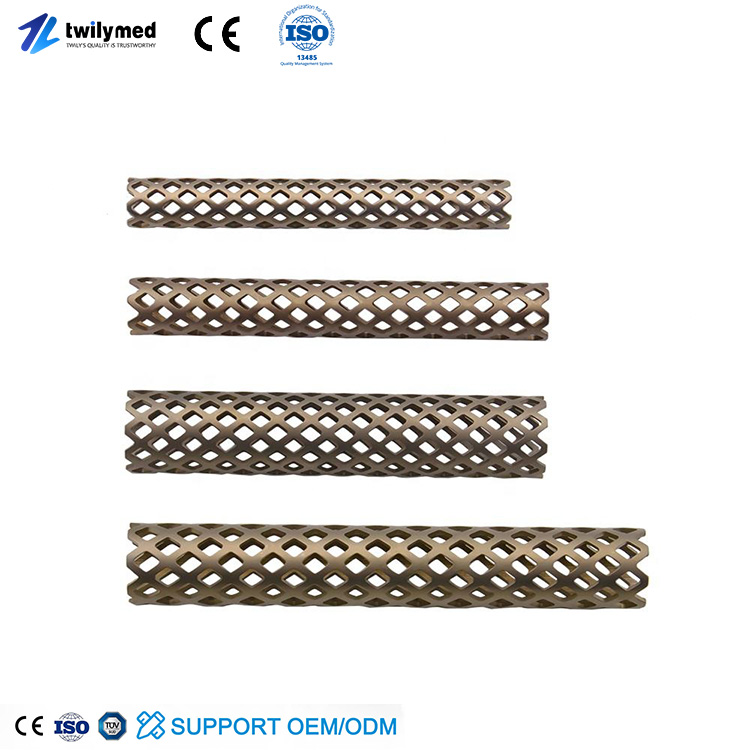
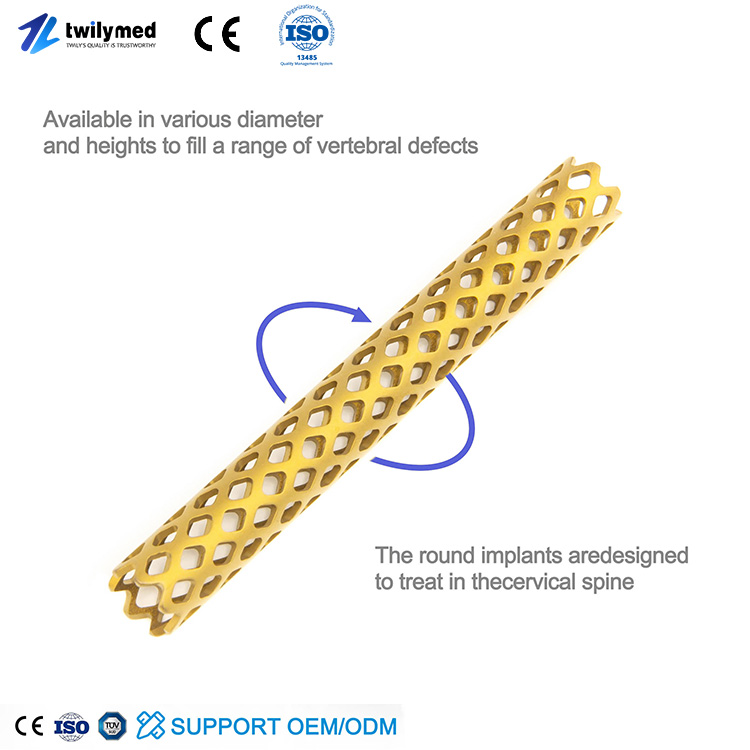
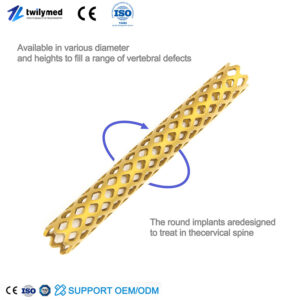
A titanium mesh cage is an interbody fusion device used in spinal and orthopedic surgeries to replace damaged vertebral bodies or discs. Constructed from medical-grade titanium, these cages offer superior biocompatibility, high strength-to-weight ratio, and an open-structured design that facilitates bone graft integration. Surgeons use these cages to restore spinal alignment and promote successful spinal fusion by allowing bone growth through the porous structure.
Titanium Mesh Cage Features
Mesh Structure
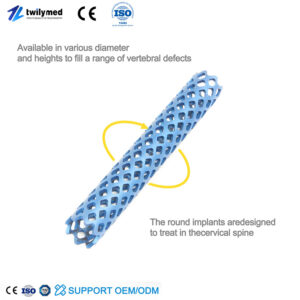
The porous design enhances bone ingrowth and fusion, providing long-term stability.
High Mechanical Strength
Titanium ensures durability and resistance to compressive forces.
Biocompatibility
Reduces the risk of adverse reactions, ensuring better patient outcomes.
Customizable Sizes and Shapes
Available in various configurations to fit different spinal regions.
Radiographic Visibility
Allows for clear postoperative assessment without significant imaging artifacts.
Titanium Mesh Cage Advantages
Enhanced Bone Fusion
The open-mesh structure facilitates vascularization and bone integration.
Superior Load Distribution
Evenly distributes mechanical loads, reducing the risk of implant subsidence.
Corrosion Resistance
Titanium’s high resistance to bodily fluids ensures implant longevity.
Minimally Invasive Surgery (MIS) Compatibility
Can be used in modern MIS techniques, leading to reduced tissue disruption and faster recovery.
Long-Term Spinal Stability
Provides structural integrity, preventing deformities and collapse over time.
Titanium Mesh Cage Treatment of Fracture Types
Vertebral Body Replacement
Effective in cases of tumor resection or severe trauma requiring structural reconstruction.
Degenerative Disc Disease (DDD)
Supports interbody fusion in patients with collapsed or degenerated discs.
Spinal Trauma
Provides stability for vertebral fractures and restores normal spinal alignment.
Spinal Deformities
Used in correcting conditions such as scoliosis and kyphosis.
Tumor-Induced Spine Instability
Supports the spine following tumor removal, preventing structural compromise
Reviews
There are no reviews yet.