



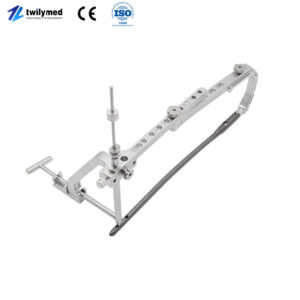
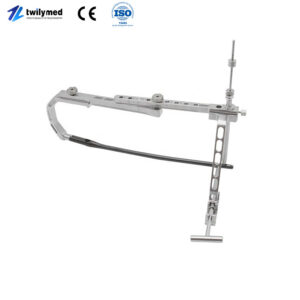
PFNA Nail
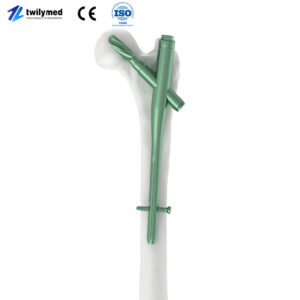
The Proximal Femoral Nail Antirotation (PFNA) is indicated for a variety of proximal femoral conditions, including intertrochanteric fractures (simple or comminuted), subtrochanteric fractures, pathological fractures, non-/mal-unions, and osteoporotic fractures in elderly patients. It may also be utilized with augmentation techniques for unstable fractures or cases requiring bone reconstruction.

Intramedullary Nail
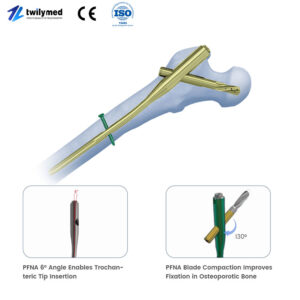
a. Anatomical design matches the femur for optimal stability.
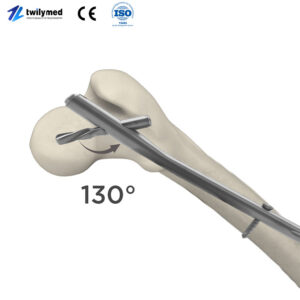
b. 6° valgus angle facilitates insertion through the greater trochanter with minimal impact on blood supply to the femoral head.
c. Hollow structure allows easy insertion and simplified operation.
d. Distal flexibility reduces stress concentration and lowers complication risks.
e. Multiple lengths expand indications for various fractures.
Blade Screw
a. Helical structure provides strong anti-rotation and anti-cutout capabilities with high angular stability.
b. Large surface area and increasing core diameter (4.5-9mm) compact cancellous bone during insertion, enhancing anchorage.
c. Single-piece insertion is simple and efficient, suitable for osteoporotic patients.
d. Automatic locking mechanism prevents rotation of the blade and femoral head, ensuring fixation reliability.
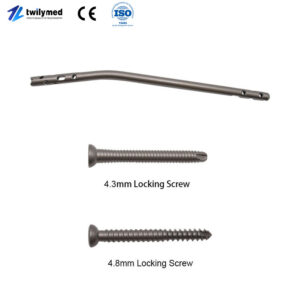
4.7mm Locking Screw
The design maintains initial stability after fracture reduction, effectively preventing relative rotation and displacement, which facilitates early mobility and reduces complications.
Product Advantage
Compression-anchoring
Large surface area and tapered core diameter compact cancellous bone during insertion, enhancing fixation strength.
Static/Dynamic Locking
Provide static and dynamic distal locking options for clinical choice.
High Strength
Proximal diameter of 16mm provides enough strength in fixation.
Anti-rotation
Helical blade structure and automatic locking mechanism prevent rotation of the blade and femoral head, improving stability.
Reviews
There are no reviews yet.