

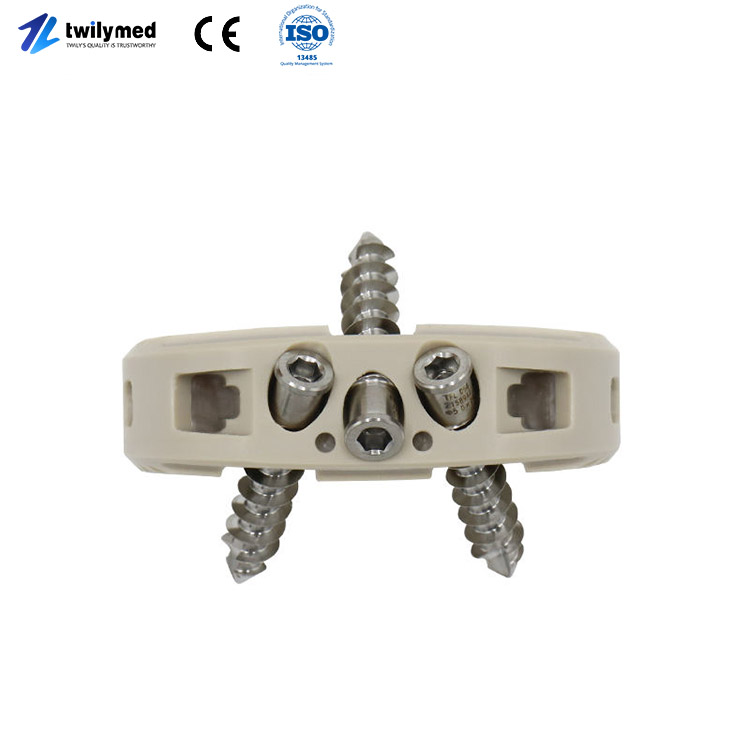
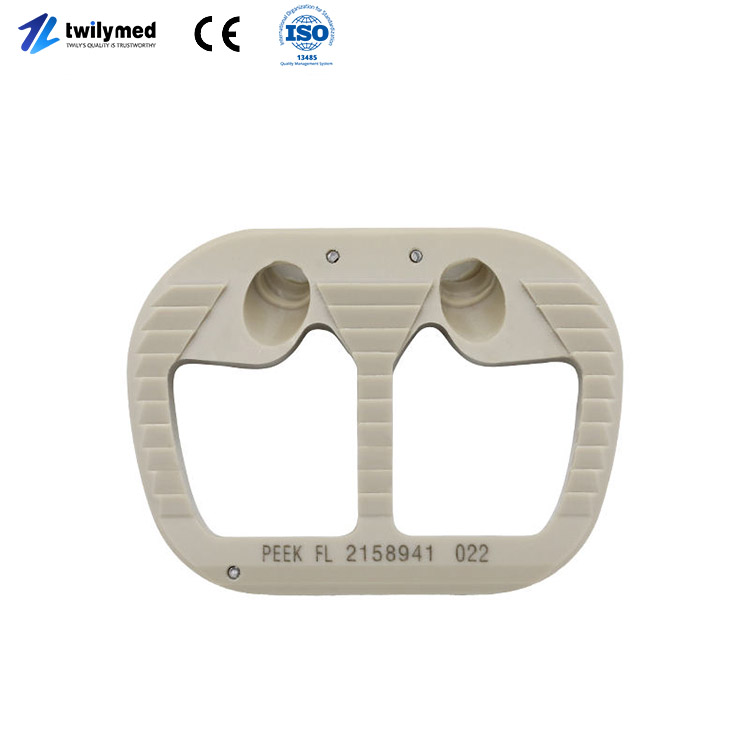
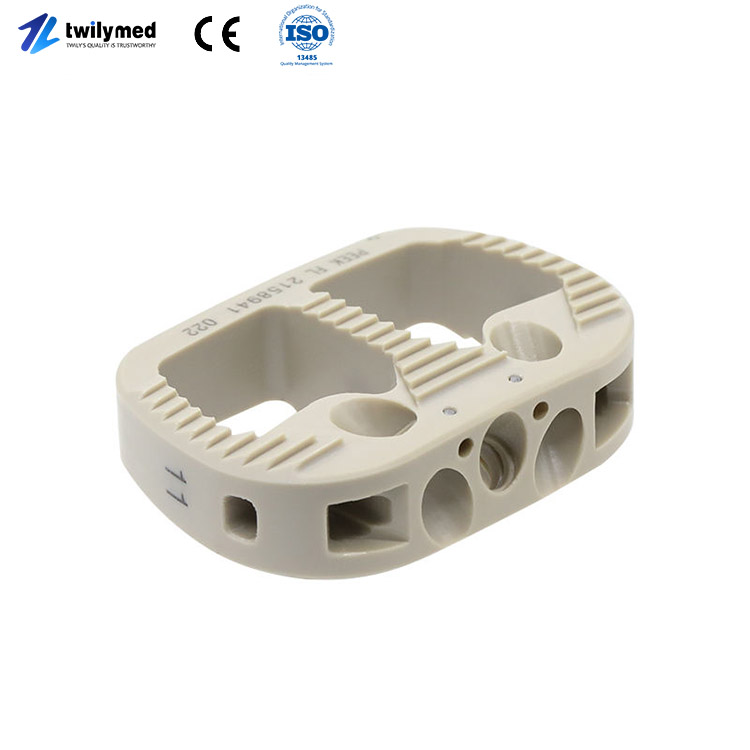
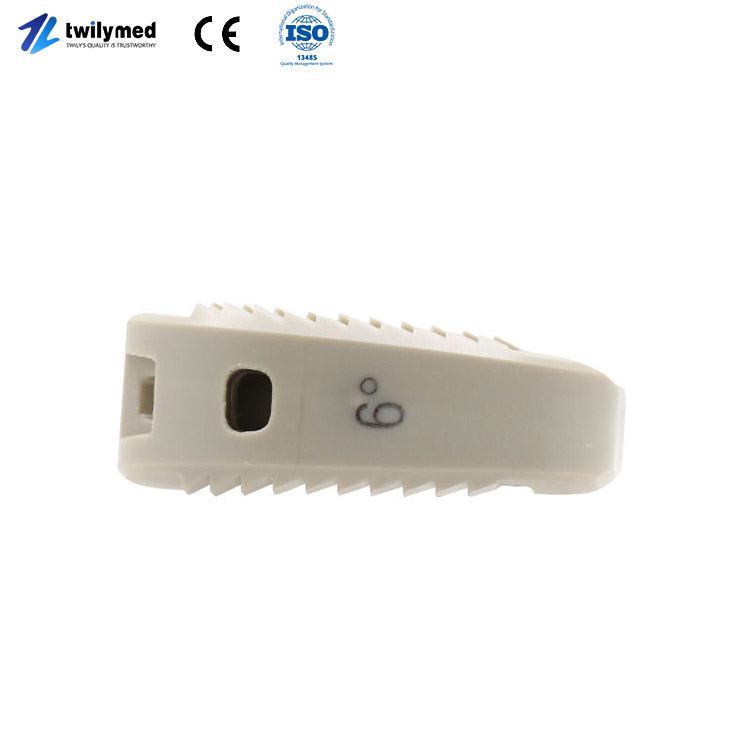
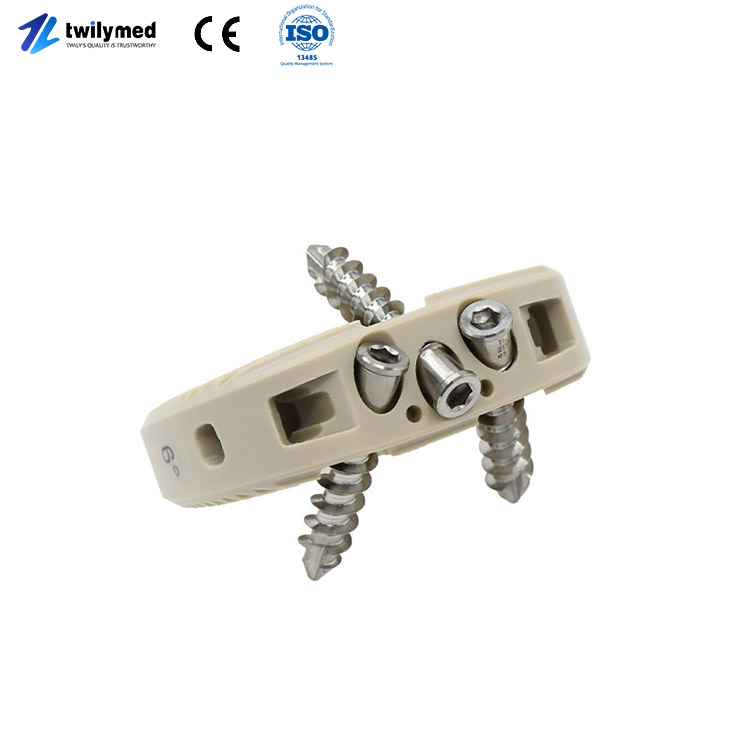
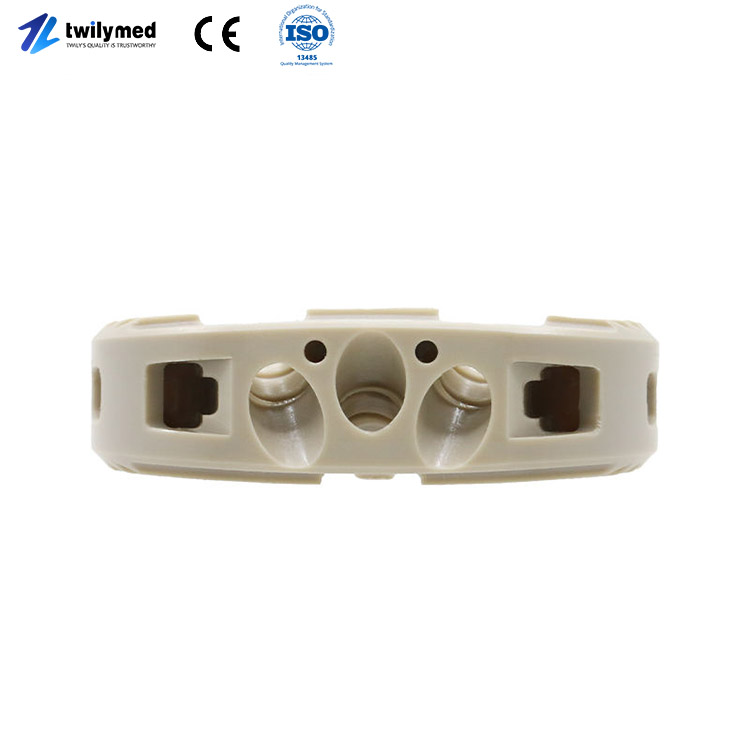
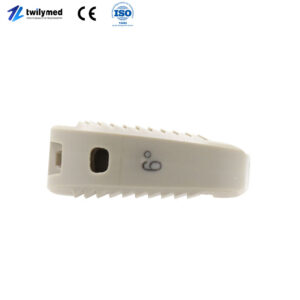
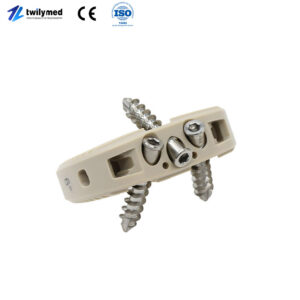
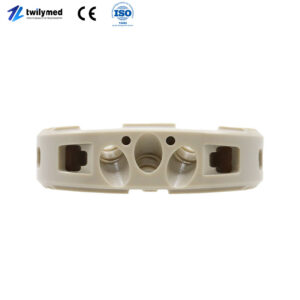
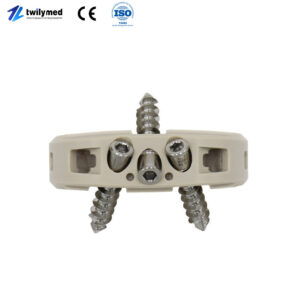
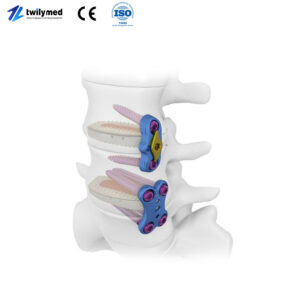
ALIF (anterior lumbar interbody fusion) is a common surgical solution for degenerative disk disease and other conditions that affect the disks in your lower back that cushion your vertebrae. In ALIF, a surgical team makes incisions in your abdomen to get access to your vertebrae so they can replace damaged disks with bone grafts that eventually make your vertebrae fuse together.
What is ALIF surgery?
ALIF (anterior lumbar interbody fusion) is surgery to treat degenerative disk disease and other conditions that happen when damaged or worn-out intervertebral disks put pressure on your spinal nerves. Intervertebral disks are the round cushions in your spine that separate and cushion your vertebrae. In ALIF, surgeons replace your damaged disks with bone grafts, reducing pressure on your spinal nerves. These grafts eventually create new bone that fuses or joins vertebrae together.
Why is it called ALIF surgery?
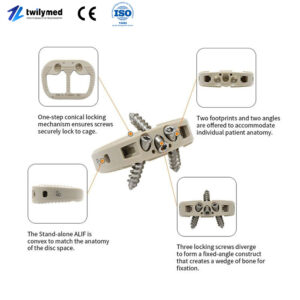
Anterior lumbar interbody fusion is a type of spinal fusion. It gets its name from the way healthcare providers perform the operation: Surgeons access your lower back (lumbar) from the front (anterior) of your body by making an incision in your abdomen (belly) so they can insert a bone or titanium graft between your vertebrae (interbody) that will fuse or join your vertebrae (fusion).
Why would I need ALIF surgery?
Surgeons use ALIF to treat conditions including:
- Lumbar radiculopathy.
- Spondylolisthesis.
- Spinal conditions like scoliosis.
Your surgeon may recommend ALIF if you’ve already had multiple spinal operations.
How common is ALIF?
It’s a common surgical treatment for degenerative disk diseases and other conditions that cause severe lower back pain because damaged disks put pressure on spinal nerves. Typically, ALIF and other lumbar surgery happen when pain management, physical therapy or other treatments haven’t eased back issues.
Is ALIF major surgery?
While ALIF is minimally invasive spine surgery, it’s still major surgery. ALIF is done under general anesthesia and involves an access surgeon making an incision in your abdomen (belly) so a spine surgeon can access your lower back to remove the worn-out disk and replace it with a graft.
Risks or Complications
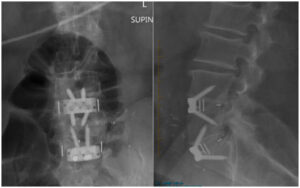
All surgeries carry risk and it is important to understand the risks of the procedure in order to make an informed decision to go ahead with the surgery. In addition to the anaesthetic complications, spinal surgery is associated with some potential risks but not limited to:
- Implant failure/migration
- Poor positioning of implant
- Fusion failure
- May require additional supplemental posterior fixation
- Incomplete decompression of the nerves requiring posterior decompression
- Transient/Long term Nerve injury
- Transient/Long term Spinal cord injury
- Vascular injury
- Kidney and bowel injury
- Retrograde ejaculation for men
- DVT
- Persistent nerve pain, numbness, tingling, burning, aching
- Persistent abdominal wall andback pain
- Infection
- Postoperative hematoma (bleeding)
- Numbness along the incision site

Reviews
There are no reviews yet.